


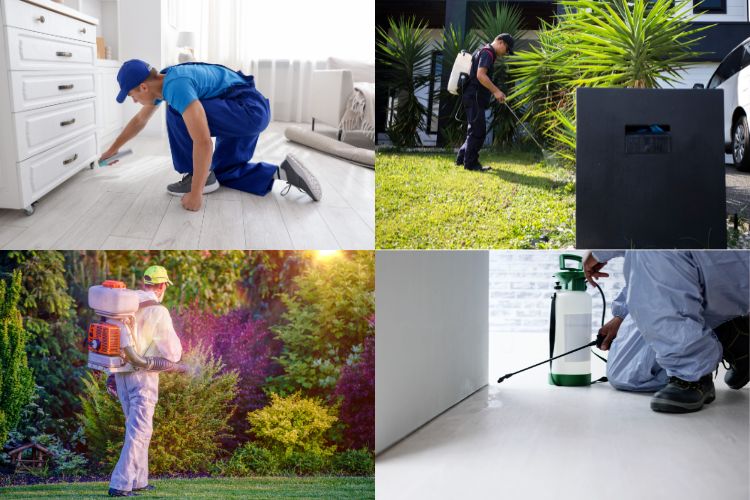
Managing pest control across multiple properties can be complex. Without a clear plan, pests can spread, leading to costly treatments, property damage, and unhappy tenants. Here’s how to stay ahead:
- Centralized Scheduling: Use tools like HouseFacts to organize inspections, treatments, and reminders across all properties.
- Regular Inspections: Monthly checks prevent issues from escalating. Focus on high-risk areas like kitchens, bathrooms, and trash rooms.
- Preventive Maintenance: Seal entry points, fix leaks, and manage landscaping to keep pests out.
- Sanitation Standards: Ensure consistent waste management and educate tenants on cleanliness to eliminate pest attractors.
- Tenant Communication: Provide clear guidelines, easy reporting options, and discourage DIY pest control.
- Professional Pest Control: Partner with experts for inspections, treatments, and long-term management strategies.
- Digital Tools: Platforms like HouseFacts simplify scheduling, record-keeping, and communication, saving time and reducing risks.
Experts in Multi-Housing Pest Management
1. Create a Centralized Pest Control Schedule
A well-organized schedule across all your properties is the backbone of efficient pest control. Without it, treatments can be overlooked, inspections may be delayed, and minor problems could escalate into costly infestations that spread from one unit to another.
For example, a study of a 71-unit building revealed that implementing a data-focused pest management schedule - prioritizing units with confirmed activity - cut cockroach infestations by 50% within six months and by 75% after a year, all at a cost of just $7.50 per unit per month[10].
Digital tools like Google Calendar can help managers, technicians, and pest control professionals stay on the same page by providing real-time access to treatment and inspection schedules, reducing overlaps or missed appointments. For those managing multiple properties, platforms like HouseFacts offer even more robust features. With HouseFacts, you get shared property calendars, automated maintenance reminders, customizable checklists for seasonal pest control, and centralized service history tracking. At $15.99 per month or $99 annually per property, it’s a smart investment compared to the financial hit of missed treatments or widespread infestations. These tools simplify scheduling and align your pest control efforts across the board.
A centralized pest control schedule should include key details like a complete list of properties and units, treatment dates, inspection intervals, assigned personnel, target pest types, and notes from prior treatments or issues. Be sure to add reminders for tenant notifications and documentation to comply with local regulations. Regular monthly inspections, with additional checks during peak pest seasons, help close any gaps in coverage.
Automated reminders are another game-changer, ensuring technicians and tenants are alerted about upcoming appointments, which reduces the chances of missed visits[7]. Plus, many scheduling platforms are scalable, making it easy to integrate new properties as your portfolio expands.
2. Conduct Regular Inspections and Monitoring
Regular inspections are key to catching pest issues early, and a centralized scheduling system can make this process more efficient. By identifying problems before they escalate, you can save on remediation costs and avoid widespread infestations.
The frequency of inspections should depend on several factors, including the property's history, tenant turnover, and local pest risks [1][4][8]. During peak pest seasons - usually spring and summer - it's smart to increase the frequency of monitoring to address potential problems before they grow [8].
Here’s a quick guide to inspection frequency based on property type:
.png)
When inspecting, prioritize high-risk areas where pests are likely to gain entry or settle. In individual units, focus on kitchens, bathrooms, basements, and storage spaces. For common areas, pay extra attention to trash rooms, laundry facilities, and utility spaces, as problems in these areas can quickly spread throughout the property [1][4].
During each inspection, look for signs like droppings, shed skins, nests, and live insects. Also, check for moisture issues such as leaks or standing water, which can attract pests and create breeding grounds. Be sure to inspect for cracks, holes, and gaps around doors, windows, and utility penetrations - these are common entry points for pests [1][4].
Keep Records and Use Digital Tools
Documentation is vital for tracking trends and ensuring compliance with local regulations. Using digital platforms like HouseFacts can simplify this process by offering custom checklists, automated reminders, and secure record storage. Proper documentation not only keeps you organized but also streamlines management across multiple properties [11].
Involve Staff and Tenants
Train maintenance staff to recognize signs of pest activity during routine repairs, and encourage them to report any concerns immediately. Tenants are often the first to notice pest issues, so it’s important to educate them on what to look for and to maintain open lines of communication [3][4]. This team effort greatly increases the chances of catching problems early.
Leverage Monitoring Tools
Between formal inspections, tools like sticky traps and pheromone traps can help you monitor problem areas continuously. These traps provide valuable insights into pest activity even when no one is on-site. For more advanced monitoring, consider electronic systems that offer real-time alerts. While these systems can be more expensive, they may be worth the investment depending on your needs [1].
Case Study: Success Through Consistent Monitoring
At a large apartment complex, implementing monthly inspections alongside a digital reporting system reduced pest-related complaints by 40% in just six months. By identifying entry points and moisture issues early, the property management team was able to take targeted action, preventing a cockroach infestation and saving thousands of dollars in remediation costs [1].
3. Focus on Preventive Maintenance and Exclusion
Keeping pests out of your buildings is far more cost-effective than dealing with infestations, repairs, or potential lawsuits later on [2]. According to the National Pest Management Association, Integrated Pest Management (IPM) strategies are setting the standard in pest control. These strategies emphasize prevention and exclusion over reactive chemical treatments [12].
Seal Entry Points Thoroughly
Start by identifying where pests might be sneaking in. Common culprits include cracks in foundations, gaps around doors and windows, utility penetrations, and damaged weather stripping [2]. Pay special attention to areas with visible pest activity, exposure to the elements, or frequent tenant complaints. Use materials suited to the size of the gap - steel wool and caulk work well for smaller openings, while larger gaps may need hardware cloth or concrete patches.
Tackle Repairs Without Delay
Don’t let property damage linger - it can create easy access points for pests [12]. Replace damaged weather stripping, fix loose mortar, and repair leaky pipes as soon as possible [12]. Make these checks a part of your regular property inspections, whether quarterly or biannual [6]. Additionally, replace torn screens promptly and ensure door sweeps fit snugly against thresholds, as even tiny gaps can invite pests like rodents and cockroaches [5].
Keep Landscaping in Check
Overgrown shrubs and trees can act as pest highways. Trim back vegetation to keep it from touching building walls or roofs, maintaining at least a 3-foot clearance [4]. Rodents and insects often use overhanging branches to access roofs, so regular trimming is essential. Around the building’s perimeter, keep grass short, remove leaf litter, and clear fallen branches. Proper drainage is also key - ensure gutters and downspouts are functioning and that the soil slopes away from the foundation to prevent water pooling [4].
Stay on Top of Moisture Issues
Pests like cockroaches, ants, and rodents are drawn to moisture, making water control a top priority [4]. Beyond fixing obvious issues like leaky pipes or clogged gutters, look for hidden problems such as condensation or poor ventilation in basements and crawl spaces. Address water damage and standing water quickly to cut off this major pest attraction. These efforts complement perimeter treatments and create a more comprehensive defense against pests.
Apply Perimeter Treatments
Once you’ve sealed entry points and managed moisture, consider applying perimeter treatments around the building’s exterior [2]. For properties dealing with recurring outdoor pests like millipedes or crickets, granular insecticides can be especially effective in stopping pests before they get inside.
Leverage Digital Tools
Platforms like HouseFacts can help streamline your pest prevention efforts. Use it to organize schedules, track repairs, and document inspections [7]. Features like maintenance reminders and collaborative tools make it easier to stay on top of preventive actions while keeping thorough records for insurance claims or regulatory compliance.
4. Standardize Sanitation and Waste Management
Neglecting sanitation is like rolling out the red carpet for pests. Food waste, clutter, and unhygienic conditions are irresistible to cockroaches, rodents, and other unwelcome visitors. If sanitation practices vary across properties, pests can easily take root in poorly maintained buildings and spread to others nearby. By standardizing sanitation practices, you strengthen your pest management efforts across the board.
Strengthen Waste Disposal Practices
A solid waste management plan is your first line of defense. Equip all properties with secure, lidded trash bins and stick to a strict trash collection schedule to prevent garbage from piling up. Place dumpsters away from building foundations, and clean trash areas regularly to eliminate spills and residues that could attract pests.
Set Clear Sanitation Expectations for Tenants
Educating tenants is key to maintaining clean properties. Use lease agreements and onboarding materials to clearly outline tenant responsibilities, such as storing food in sealed containers, cleaning up spills promptly, and disposing of trash in designated areas. Include guidelines on keeping living spaces tidy and reporting pest sightings immediately. To make it easier, provide new tenants with educational materials on pest prevention when they move in.
Prioritize Cleaning in Common Areas
Shared spaces like lobbies, hallways, and other common areas need extra attention since they see heavy foot traffic daily. These areas can quickly become hotspots for pests if not cleaned regularly. Set cleaning schedules that align with the level of use - daily or multiple times a week for high-traffic spaces - and ensure all properties follow the same cleaning protocols.
Include Moisture Control in Your Plan
Sanitation and moisture go hand in hand. Damp conditions can attract pests just as much as food waste. Add moisture control to your maintenance checklist to address leaks, condensation, and other sources of excess moisture.
Leverage Digital Tools for Better Oversight
Managing sanitation across multiple properties can be overwhelming, but digital tools make it easier. Platforms like HouseFacts simplify the process by centralizing cleaning schedules, tracking inspection records, and facilitating communication with tenants and service providers. Use these tools to assign maintenance tasks, document cleaning routines, and ensure compliance with sanitation policies.
5. Educate Tenants and Encourage Communication
Tenants, who are on-site daily, serve as your first line of defense against pest infestations. However, many may not recognize the early signs of a problem or understand how their habits can impact pest prevention. By focusing on tenant education and fostering open communication, you can turn potential issues into quick resolutions.
Share Clear Pest Prevention Guidelines
When tenants move in, provide a straightforward guide outlining pest prevention tips. This guide should highlight key practices such as:
- Storing food in sealed containers.
- Regularly disposing of garbage in pest-resistant bins.
- Cleaning up spills and crumbs right away.
- Avoiding clutter that could become a hiding spot for pests.
- Reporting leaks or moisture problems immediately, as these conditions attract pests.
Incorporate these guidelines into your lease agreement to make expectations clear from the start. When tenants understand their role in pest prevention, they're more likely to adopt these habits, helping maintain a pest-free property[13][4].
Make Reporting Easy
Set up simple, accessible ways for tenants to report pest sightings. Options like a dedicated phone line, online forms, or a specific email address for pest concerns can make the process hassle-free. The easier it is to report, the more likely tenants will act quickly when they notice something unusual.
Reassure tenants that their early reports are essential for protecting the property and that their vigilance is valued[5][11].
Use Multiple Communication Channels
Don’t rely on just one method to share pest prevention information. Use a mix of approaches to ensure the message sticks:
- Hand out printed materials during move-in.
- Send email or text reminders about seasonal pest issues.
- Post educational content in high-traffic areas like laundry rooms or mailrooms.
You can also host short orientation sessions for new tenants or annual workshops to cover pest prevention basics. These in-person meetings allow tenants to ask questions and see your commitment to maintaining a pest-free environment. Combining these efforts with digital tools ensures consistent engagement.
Utilize Digital Tools for Communication
Digital platforms can simplify tenant education and communication. Tools like HouseFacts centralize reminders, reports, and educational materials, creating an organized system for both tenants and property managers. These platforms also provide a clear record of when issues were reported and how they were addressed, ensuring nothing is overlooked.
Advise Against DIY Pest Control
Make sure tenants understand the risks of self-treating pest problems. Misusing over-the-counter pesticides can worsen infestations and pose health risks to residents. Instead, encourage tenants to report any pest sightings immediately so professionals can handle the situation properly[2].
DIY treatments often interfere with effective pest management and can escalate the issue.
Monitor and Improve Communication Efforts
Track the success of your tenant education initiatives by measuring factors like the number and speed of pest reports, participation in educational programs, and overall reduction in pest complaints. Use tenant surveys to gather feedback on their awareness and satisfaction with your communication methods[1][3][4].
This data can help you fine-tune your approach and identify areas where additional education is needed, ensuring your properties remain pest-free.
6. Partner with Professional Pest Control Services
Tenant education and preventive measures are essential for managing pests, but they’re only part of the equation. To ensure thorough protection across multiple properties, teaming up with professional pest control services is key. These experts bring specialized knowledge and efficient treatments that go beyond basic prevention, tackling emergencies and more complex infestations.
Why Professional Pest Control Matters
Professional services don’t just handle emergencies - they also provide routine maintenance and prevention. Their offerings often include scheduled inspections, perimeter treatments, bait stations, and ongoing monitoring. When needed, they can quickly step in with targeted solutions like spot treatments, crack and crevice sprays, or even fumigation[1][2].
The impact of professional pest control is significant. For instance, integrated pest management (IPM) programs have been shown to reduce pest incidents by up to 70% in a year[1]. A 2019 study highlighted this effectiveness: one property with 71 infested units saw a 50% drop in cockroach infestations after six months of IPM, and a 75% reduction after a year[10].
How to Choose the Right Pest Control Partner
Selecting the best pest control company involves more than just comparing prices. Start by confirming their licensing and certifications. Experience with multi-family or multi-property environments is another critical factor, as these settings present unique challenges. Companies that use IPM practices often achieve better, longer-lasting results compared to those relying solely on chemicals.
Ask for references from other property managers and dig into the details of their approach. Find out how they handle preventive versus reactive treatments, the types of pests they typically manage, and whether they offer eco-friendly solutions. It’s also worth asking about emergency response times, communication methods, and reporting processes. Companies that back their work with guarantees often bring added peace of mind[1][4].
Understanding the Costs
Professional pest control services generally cost around $7.50 per unit per month for targeted IPM or roughly $1 per square foot for routine maintenance. One-time treatments tend to be more expensive than ongoing, data-driven maintenance plans[10]. While these costs may seem steep, the results speak for themselves. Targeted professional strategies are more effective and efficient than cheaper, generalized treatments.
A well-chosen pest control partner doesn’t just handle routine tasks - they contribute to long-term improvements that protect your properties and tenants.
Getting the Most Out of Your Partnership
To maximize the benefits of professional pest control, maintain open communication and schedule regular joint inspections. Many companies offer additional services like tenant and staff education programs, digital reporting, and customized pest management plans tailored to the specific needs of your properties[1][4].
Modern pest control providers often offer 24/7 emergency response, trend analysis, and structural improvement recommendations to minimize pest risks. They can also help ensure compliance with EPA pesticide guidelines and local health codes, reducing legal risks while keeping residents safe[11].
Using Digital Tools to Streamline Management
Digital tools are transforming how property managers coordinate pest control efforts. Platforms like HouseFacts centralize schedules, track service records, and improve communication between property managers, tenants, and pest control providers. These tools also provide clear documentation for compliance and insurance purposes while helping identify recurring issues across properties.
7. Use Digital Property Management Platforms
Managing pest control for multiple properties can quickly become a logistical headache, especially as your portfolio grows. This is where digital property management platforms step in to simplify the process. These tools centralize schedules, automate reminders, and improve communication between property managers, tenants, and service providers, making pest control far more manageable.
Industry data shows that property managers using digital management software save 20-30% of their administrative time on tasks like maintenance and scheduling, including pest control duties[14]. In fact, a 2023 survey revealed that over 60% of property managers handling more than five properties rely on digital platforms to streamline maintenance and pest control operations[15].
Centralized Scheduling and Tracking
Platforms like HouseFacts make it easy to keep track of pest control schedules. With shared calendars and automated reminders, you can schedule recurring treatments, inspections, and other maintenance tasks without relying on spreadsheets or mental notes. Notifications ensure you never miss a service date.
Another benefit? Maintenance tracking. HouseFacts lets you log treatments, store service reports, and maintain detailed records for each property. This creates an audit trail that's useful for compliance and helps you spot trends. For instance, if several properties in the same area frequently report ant problems in the spring, you can plan preventive treatments for similar properties ahead of time.
Better Communication with Tenants
Good communication is key to effective pest control, and digital platforms make it easier than ever. With automated notifications and shared updates, tenants can report pest sightings directly through the platform. This ensures quick responses and helps prevent issues from escalating[5].
Take HouseFacts, for example. Tenants can use the platform to log pest sightings, which automatically triggers follow-up actions. You can also send them reminders about upcoming treatments, preparation requirements, and post-treatment instructions, keeping everyone informed and on the same page.
Smarter Decisions with Data
Digital platforms also provide valuable insights by generating reports on inspection schedules, pest incidents, response times, and costs. These metrics help you identify patterns, evaluate the effectiveness of your pest control measures, and fine-tune your strategies.
With HouseFacts, you can upload receipts and invoices to create a detailed service history for each property. This data helps you determine which pest control providers deliver the best results and flag properties that might need extra attention or a different approach. Over time, these insights make it easier to optimize your pest control efforts.
Simplified Vendor Coordination
Coordinating with pest control vendors is another area where digital platforms shine. They act as a centralized hub for scheduling, communication, and documentation. You can store vendor contact details, track service agreements, and maintain a record of all treatments and inspections in one place.
Platforms like HouseFacts also send reminders to both pest control technicians and tenants, ensuring everyone is ready for scheduled treatments. Some even include client portals where tenants and property managers can review service histories, report issues, and request follow-ups, improving transparency and responsiveness[7][14].
Affordable and Efficient
For $15.99 per property per month (or $99 annually), HouseFacts offers a cost-effective solution - less than the price of a single pest control service call. The time you save alone often justifies the expense, especially when managing multiple properties where missed appointments or delays can lead to more significant problems.
With pre-built and customizable checklists, the platform helps you stay on top of seasonal pest control tasks and regular inspections. This proactive approach, combined with centralized record-keeping, minimizes the risk of infestations and helps protect the value of your properties over time.
